Key Hospitality Security Measures Every Property Should Implement
The hospitality industry is one of the largest and most diverse sectors in the world, encompassing everything from small bed-and-breakfasts to large, luxurious resorts and hotel chains. In a highly competitive market where guest satisfaction and comfort are paramount, security might not always be the first thing that comes to mind for both property owners and visitors. However, hotel security plays a crucial role in maintaining a safe environment for guests, staff, and assets. For hotels, resorts, and other hospitality properties, implementing robust security measures isn’t just a legal or regulatory obligation; it’s essential to building trust with guests, safeguarding the property, and ensuring that the experience remains pleasant and secure. This blog outlines some of the key hospitality security measures that every property should have in place to ensure a safe environment for everyone involved.
24/7 Surveillance and Monitoring
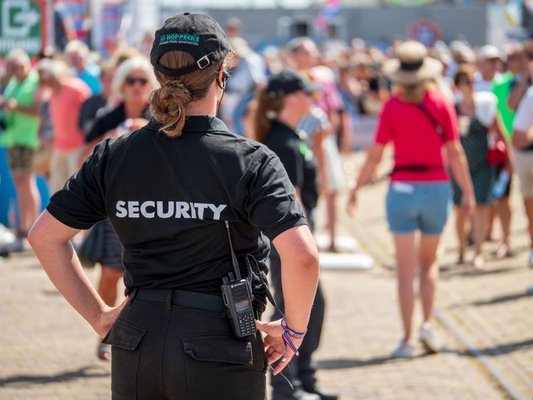
One of the most fundamental components of hotel security is the implementation of 24/7 surveillance systems. CCTV cameras should be installed throughout the property, including entrances, exits, parking areas, lobbies, hallways, and other key public spaces. Surveillance helps deter criminal activity, such as theft, vandalism, or assault, while providing valuable evidence in the event of an incident.In addition to physical security cameras, security personnel should have access to real-time monitoring of these systems. This enables them to spot suspicious activity immediately and respond quickly to any potential threats. For larger properties, the use of security control rooms with centralized monitoring systems can ensure that staff are constantly aware of what is happening on the property.A well-monitored environment helps reassure guests that the property is secure, knowing that their safety is being closely monitored, even when they are not actively engaged with the hotel staff. Having a visible security presence, including guards observing camera feeds or conducting regular patrols, can further enhance the sense of safety.
Access Control Systems
Controlling who enters and exits your property is one of the most important aspects of maintaining security. Access control systems limit entry to certain areas of the property to only authorized individuals, protecting both guests and staff from unauthorized access. For guest rooms and restricted areas like back offices, keycard access is an essential feature in modern hotels and resorts. Guests should only be able to access the floors where their rooms are located, and keycards should be programmed with time-sensitive access, meaning they only work during their stay. This minimizes the risk of unauthorized access to sensitive areas.
For areas like conference rooms, VIP lounges, or employee-only zones, additional access control measures can include biometric systems, PIN codes, or temporary guest credentials. Additionally, for properties with larger grounds or multiple entry points (e.g., resorts), gates, barriers, and security checkpoints can be employed to limit access to the property and monitor who is entering and leaving. Ensuring that only those with legitimate business or valid reservations are on-site helps maintain the safety and privacy of all guests.
Emergency and Crisis Response Planning
In any hospitality property, being prepared for emergencies is crucial. The hospitality industry deals with many potential hazards, including fires, natural disasters, medical emergencies, and even security breaches. A well-defined emergency response plan should be established, and staff should be trained regularly to handle crises effectively.This plan should include:
- Evacuation routes and assembly points: Clearly marked exits should be easily accessible, and emergency routes must be well-lit and free from obstacles.
- Fire drills and evacuation procedures: Regular fire drills ensure that both guests and staff know what to do in case of a fire or similar emergency.
- Medical emergencies: Staff should be trained in basic first aid and CPR, and there should be a clear procedure for summoning medical assistance if needed.
- Active shooter or violent situations: Security teams should be trained in de-escalation techniques and how to handle threats of violence or criminal activity.
One important part of emergency planning is the use of emergency notification systems. In the event of a major emergency, such as a fire, storm, or security threat, a rapid, reliable communication system is essential to alert guests and staff and direct them to safety. Many hotels and resorts now have systems in place to send emergency alerts via text, in-room TV systems, or public address announcements.
Guest and Staff Safety Measures
The safety of both guests and staff should be a top priority. Hotel staff should be trained in security procedures, and there should be clear protocols for handling incidents of harassment, theft, or aggression. Personal safety measures include:
- Safe deposit boxes in guest rooms and at the front desk, where guests can store valuable items like cash, passports, and electronics. This ensures that guests can enjoy their stay without worrying about the safety of their valuables.
- Secure communication channels for staff to report suspicious activity or unsafe situations. Security personnel should have radios or walkie-talkies for immediate communication in case of emergencies.
- Training employees in conflict resolution and safety protocols ensures that if an issue arises, it can be dealt with calmly and safely.
For guest safety, hotels should also consider offering features like hotel room peepholes or door latch systems, which allow guests to verify who is at their door before answering it. Some hotels even install room security devices that provide extra locking mechanisms for added peace of mind.
Lighting and Visibility
Proper lighting plays an essential role in security. Well-lit areas discourage criminal activity and make it easier for guests and staff to navigate the property, especially during the night. Dark or poorly lit spaces, especially around entrances, walkways, and parking lots, are prime spots for theft or violent crime. Lighting should be used strategically to:
- Illuminate entrances and exits to make them visible at all times.
- Light up parking lots, corridors, and other public spaces where guests may be walking or congregating.
- Provide visibility in emergency evacuation routes and exit signs, ensuring that guests can easily find their way to safety if necessary.
A well-lit property not only enhances security but also contributes to the overall guest experience, offering a sense of comfort and reassurance when moving around the property after dark.
Cybersecurity Measures
In today’s digital age, cybersecurity is just as important as physical security. Guests expect to use hotel services with confidence, especially when it comes to Wi-Fi networks, payment systems, and personal information. Hotels store a wealth of personal data, including credit card details, IDs, and guest preferences, making them a target for cybercriminals. Hospitality properties should implement cybersecurity measures to protect guest data and the hotel’s internal systems. Some essential cybersecurity measures include:
- Secure Wi-Fi networks with strong encryption protocols, ensuring that guests can safely use the internet without the risk of hacking.
- Payment system security, including EMV-compliant card readers and tokenization methods, which protect guests’ financial information during transactions.
- Data encryption to safeguard personal information stored in guest databases, ensuring that sensitive details cannot be accessed by unauthorized parties.
Additionally, regular security audits and the use of firewalls and antivirus software on hotel computer systems can help prevent breaches and ensure that all digital infrastructure is secure.
Regular Security Audits and Staff Training
To ensure that the hotel’s security measures remain effective and up-to-date, regular security audits should be conducted. These audits help identify vulnerabilities in the property’s physical security, cybersecurity, and operational procedures. By regularly assessing security systems, hotels can address any weaknesses before they become serious issues. Furthermore, staff training is key to ensuring that everyone on the property is prepared to handle security threats. Regular training should be provided to employees across all departments, including reception, housekeeping, and food service staff. This training should cover topics such as how to identify suspicious behavior, how to respond in an emergency, and how to use security equipment. Staff should also be trained to recognize potential signs of fraud, such as counterfeit IDs or credit card theft, and how to respond in these situations.
Conclusion: Security as a Foundation of Hospitality
The hospitality industry’s reputation depends on providing exceptional service, and security plays an integral role in creating a welcoming environment for guests. By implementing key security measures—such as surveillance, access control, emergency planning, and staff training—hospitality properties can create a safe and secure environment where guests feel comfortable, valued, and protected.Investing in comprehensive security measures not only helps prevent incidents and reduce risks but also enhances guest satisfaction, builds trust, and boosts the overall reputation of the property. In an increasingly competitive market, the safety and well-being of guests should always remain a top priority.